Introduction
One of the most common misconceptions around Loyalty-Embedded Payments is that they necessarily require:
- co-branded payment cards,
- NFC payment experiences,
- or traditional card infrastructure.
In reality:
Loyalty-Embedded Payments are not defined by a specific payment rail or form factor.
They are defined by:
- deterministic customer identification,
- transaction participation,
- and embedded loyalty orchestration within the payment flow itself.
How that is implemented depends heavily on:
- local payment behaviour,
- infrastructure maturity,
- consumer habits,
- and regulatory environments.
Loyalty Infrastructure Historically Followed Local Payment Behaviour
Payment ecosystems evolved differently across markets.
Examples:
- US, GCC, AU & NZ → card-centric ecosystems
- India → UPI and QR-first
- China → QR-based super-app wallet ecosystems
- Brazil → PIX (QR-based)
- Southeast Asia → fragmented QR ecosystems
- Europe → strong cards combined with growing account-to-account infrastructure
As a result:
Payment-native loyalty cannot realistically be implemented identically everywhere.
Historically, many loyalty models struggled internationally because they were tightly coupled to specific payment behaviours and infrastructure assumptions.
For example:
- Card-Linked Offers naturally scaled best in card-dominant ecosystems.
- QR-native experiences scaled best in mobile-first markets.
- Receipt scanning emerged largely as an interoperability workaround in fragmented environments.
Payment-native loyalty changes this dynamic by focusing less on the payment form factor itself — and more on embedding deterministic participation within whichever payment infrastructure consumers already use most naturally.
The Real Objective of Loyalty-Embedded Payments
The objective is not:
- issuing cards,
- enabling NFC,
- or pushing specific payment rails.
The objective is:
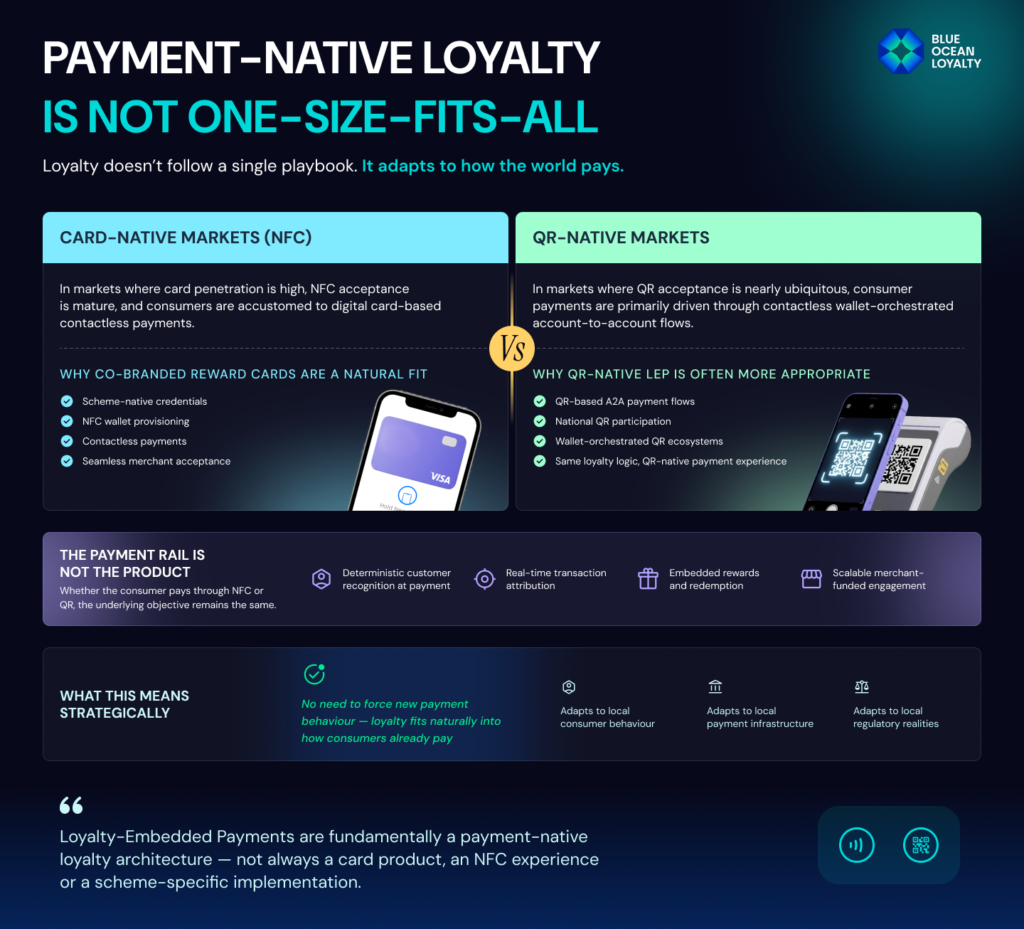
- deterministic customer recognition at payment,
- real-time transaction attribution,
- embedded rewards and redemption,
- and scalable merchant-funded engagement.
The payment rail itself is not the strategic objective.
The strategic objective is:
Embedding loyalty participation directly within the dominant transaction infrastructure of a given market.
Card-Native Markets
In markets such as:
- UAE,
- KSA,
- US,
- Canada,
- Australia & New Zealand,
- and the UK,
where:
- card penetration is high,
- NFC acceptance is mature,
- and consumers are accustomed to digital card-based contactless payments,
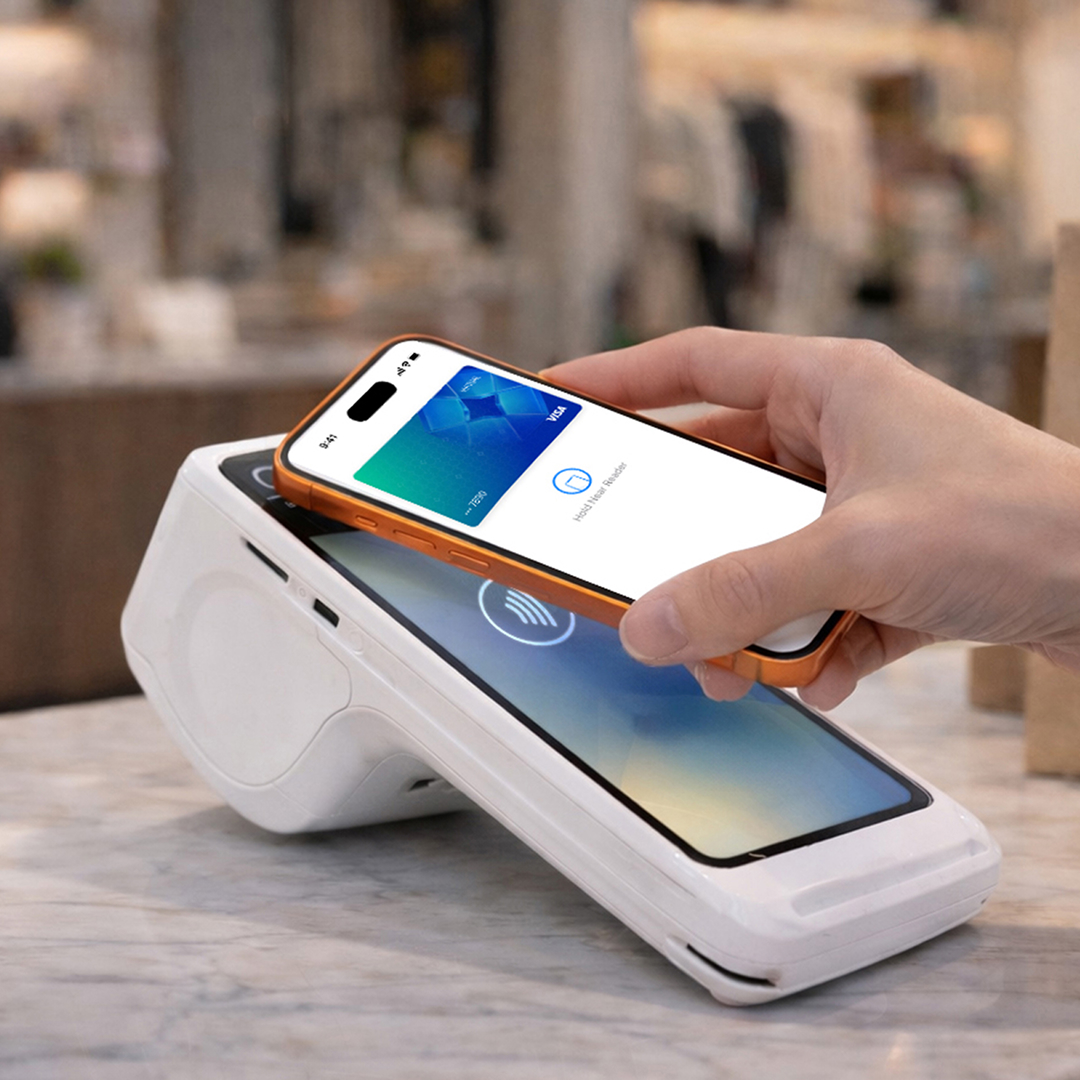
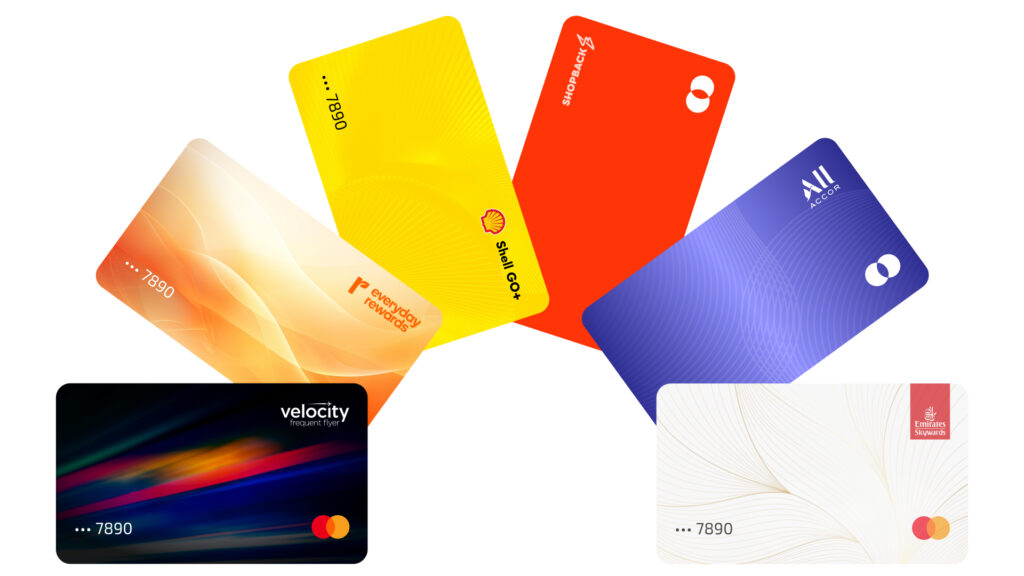
co-branded reward cards become a highly natural implementation model.
These markets naturally support:
- scheme-native credentials,
- wallet provisioning,
- and contactless payments.
In such ecosystems, payment-native loyalty can integrate seamlessly into:
- existing consumer payment behaviour,
- issuer infrastructure,
- and merchant acceptance environments.
QR-Native Markets
Other markets evolved differently.
India is a strong example.
While:
- smartphone penetration is high,
- and QR acceptance is nearly ubiquitous,
consumer payment behaviour is primarily driven through:
- QR-based account-to-account payment flows,
- UPI participation,
- and wallet-orchestrated QR ecosystems.
Traditional NFC card infrastructure plays a significantly smaller role in everyday payments.
In such markets:
A QR-native Loyalty-Embedded Payments experience may be structurally more appropriate than a card-native one.
The loyalty logic remains identical:
- customer identified at payment,
- transaction participation embedded,
- rewards attributed in real time,
- and redemption orchestrated within the payment flow.
But the underlying payment experience differs.
The Payment Rail Is Not the Product
This distinction is important.
The payment rail itself is not the core innovation.
The innovation is:
Embedding loyalty orchestration directly into the payment participation layer.
Whether the consumer pays through:
- NFC,
- or QR,
the underlying objective remains the same:
- deterministic attribution,
- seamless rewards,
- embedded redemption,
- and payment-native engagement.
The implementation layer may differ across markets.
The loyalty architecture does not.
This separation between loyalty orchestration and payment participation infrastructure is what makes payment-native loyalty globally adaptable.
What This Means Strategically
This makes Loyalty-Embedded Payments significantly more adaptable than traditional loyalty models.
Historically:
- loyalty infrastructure was often constrained by specific payment ecosystems and local infrastructure assumptions.
Payment-native loyalty changes this dynamic by adapting itself to:
- local consumer behaviour,
- local payment infrastructure,
- local regulatory realities,
- and dominant transaction participation models.
It also means that:
Payment-native loyalty does not need to force consumers into new payment behaviour.
Instead:
It embeds loyalty participation within the payment behaviours consumers already use naturally.
Conclusion
Loyalty-Embedded Payments should not be viewed as:
- a card product,
- an NFC experience,
- or a scheme-specific implementation.
They are fundamentally:
A payment-native loyalty architecture.
The implementation layer may vary across markets:
- NFC-native ecosystems in some,
- and QR-native ecosystems in others.
But the underlying objective remains consistent:
- embedding customer identification,
- transaction participation,
- attribution,
- rewards,
- and redemption
directly within the payment experience itself.
In that sense, the future of loyalty is unlikely to converge around a single payment protocol.
Instead:
Payment-native loyalty will increasingly adapt itself to the dominant payment participation behaviours and transaction infrastructure of each market.